Emergency Decision Support With A Response Timeline
A retained response timeline and DPA coordination provide clear audit evidence and shore support during an emergency.
Why fleets still struggle
The cost of how it’s done today
In an emergency, the crew need the right checklist immediately and shore needs a live picture—paper plans and phone calls deliver neither well.
The traditional approach
Emergency procedures in a binder, opened for the first time during the incident, with response actions logged after the fact if at all.
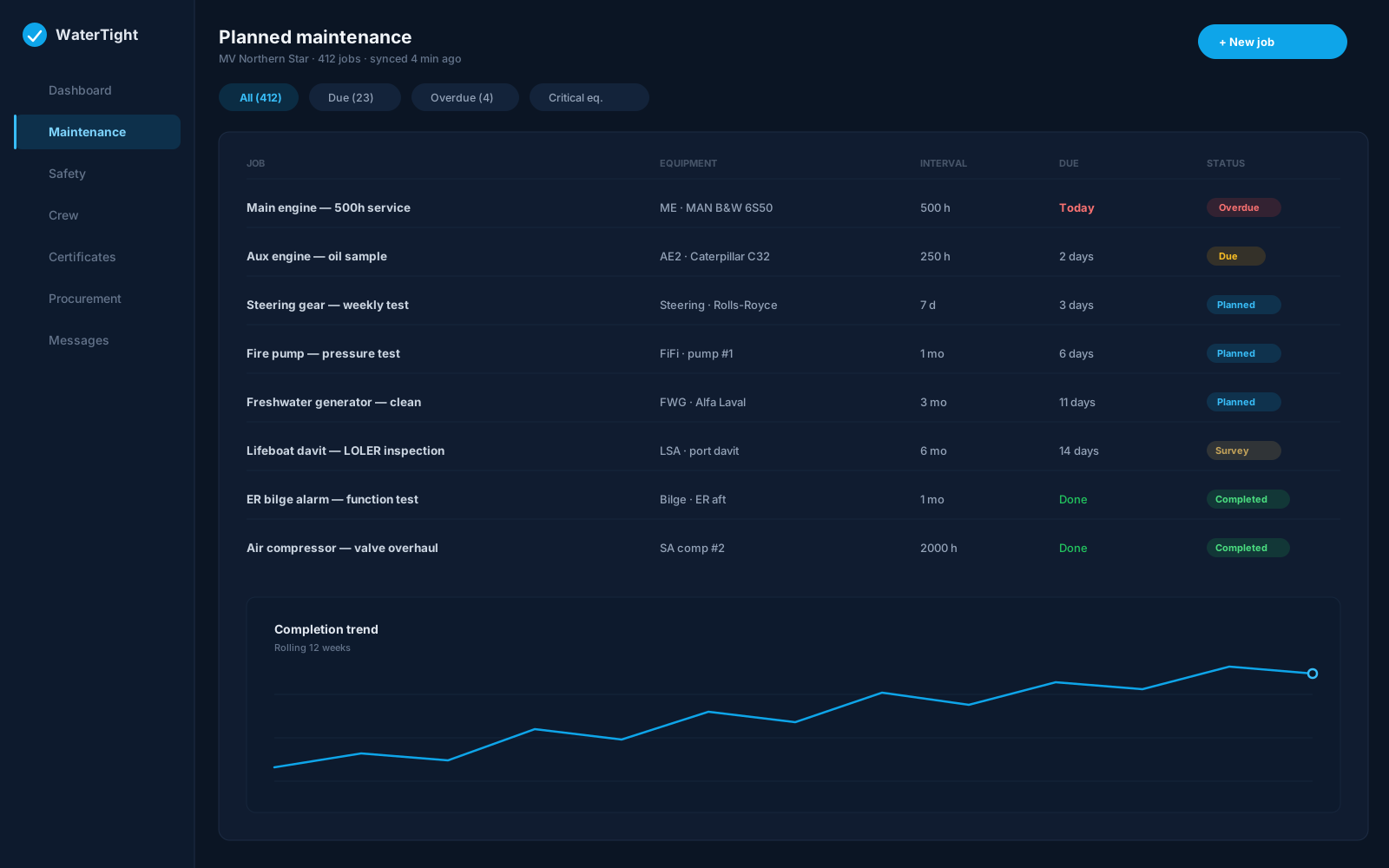
Monday with WaterTight
What changes when this is under control
Emergency decision-support checklists with active response timeline logging, a Mayday brief panel, and office coordination—supporting, not replacing, bridge procedures and distress alerting.
Time back
Activating a plan gives the crew the sequenced checklist instantly and captures timestamped actions as they happen.
Less waste
A structured timeline and lessons-learned reduce the post-incident effort of reconstructing what occurred.
Lower risk
A retained response timeline and DPA coordination provide clear audit evidence and shore support during an emergency.
In the module
How Contingency Plans delivers it
Activate plan with active-emergency banner
Timestamped response timeline logging
Mayday brief with copy-to-radio
Office coordination panel
Close-out with lessons learned
Capabilities
- Templates for collision, fire, pollution, medevac
- DPA contact in the header banner
- Push alert fallback to fleet management
- Stale-position warning on the brief
- Mobile template caching after prepare
- Retained timeline as audit evidence
Ship to shore
How the work moves
- Make the situation safe and follow bridge emergency procedures
- Activate the appropriate contingency plan
- Log timestamped actions and coordinate with shore
- Stand down and complete lessons learned when authorised
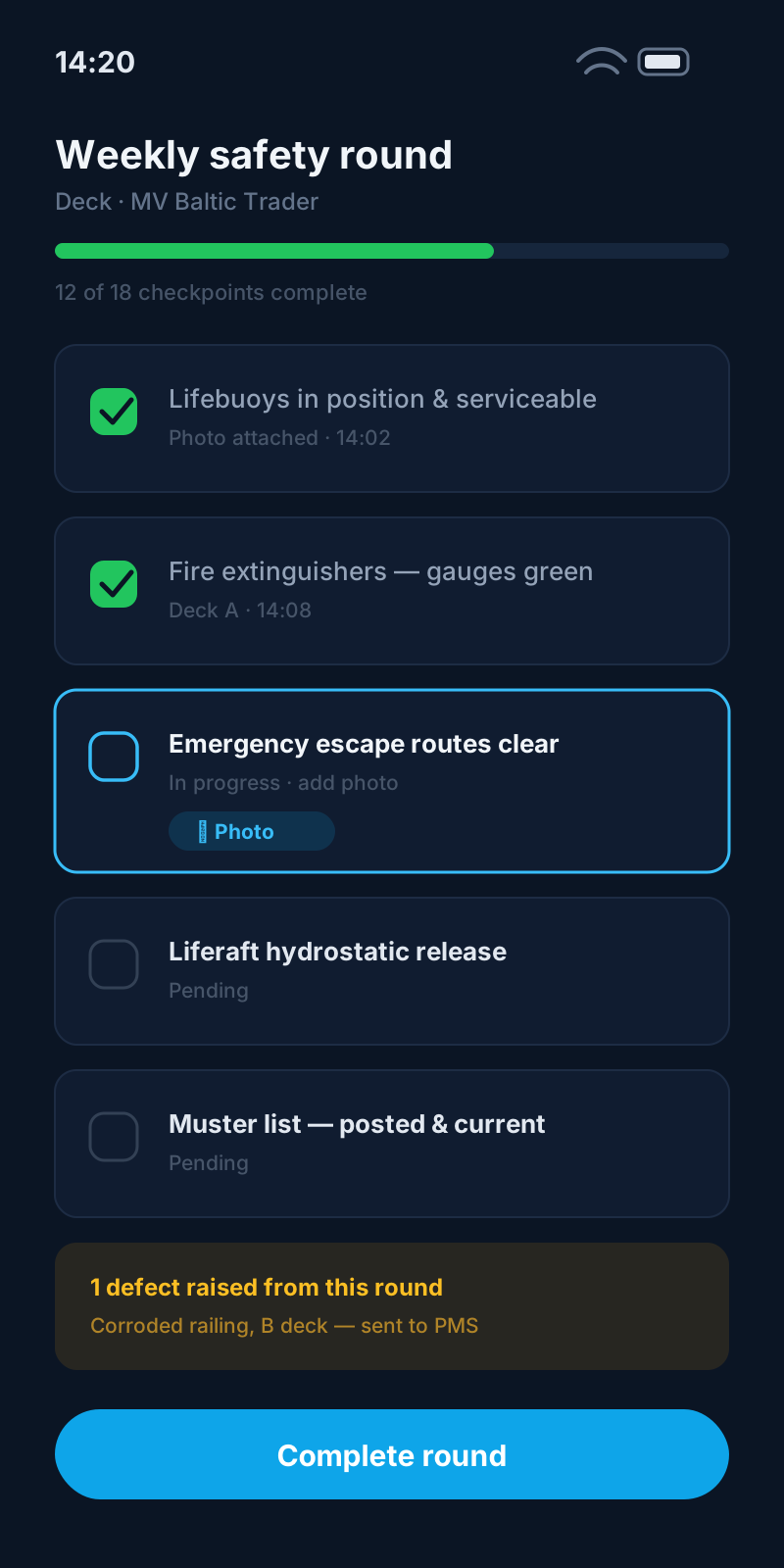
Regulatory alignment
Customers remain responsible for regulatory compliance. WaterTight is the operational system of record.
Questions before you commit
Does this replace GMDSS distress alerting?
No. Continue distress procedures on the bridge. The app coordinates supplementary logging and decision support only.
What is the Mayday brief?
A panel that assembles brief details you can copy for radio or coordination; if it shows stale data, refresh the position from the bridge before transmitting.
Can shore see an active emergency?
Yes. During an active plan, office coordination shows live chat where communications is enabled, or fleet management receives a push alert with a fallback contact.
When should the plan be stood down?
Only when the Master and, where the SMS requires, the company DPA authorise stand-down. The timeline is retained as audit evidence.
Related solutions
Bring this pain to a demo
We’ll walk contingency plans for Master and DPA on a sample vessel — so you can judge the fit, not sit through a feature tour.