A Hierarchical Equipment Register That Drives Your PMS
Every job, defect, and part is traceable to a specific component, giving surveyors a clean history instead of guesswork.
Why fleets still struggle
The cost of how it’s done today
A flat equipment list in a spreadsheet cannot drive maintenance: it does not know intervals, does not link to spares, and cannot tell you what history belongs to which component.
The traditional approach
Machinery inventories kept per vessel with no shared structure, no interval logic, and no connection to jobs, defects, or the parts that fit each unit.
Monday with WaterTight
What changes when this is under control
A structured hierarchy—categories, departments, systems, equipment, components—where every item carries intervals, running hours, spare-part mappings, manuals, and its own maintenance and defect history.
Time back
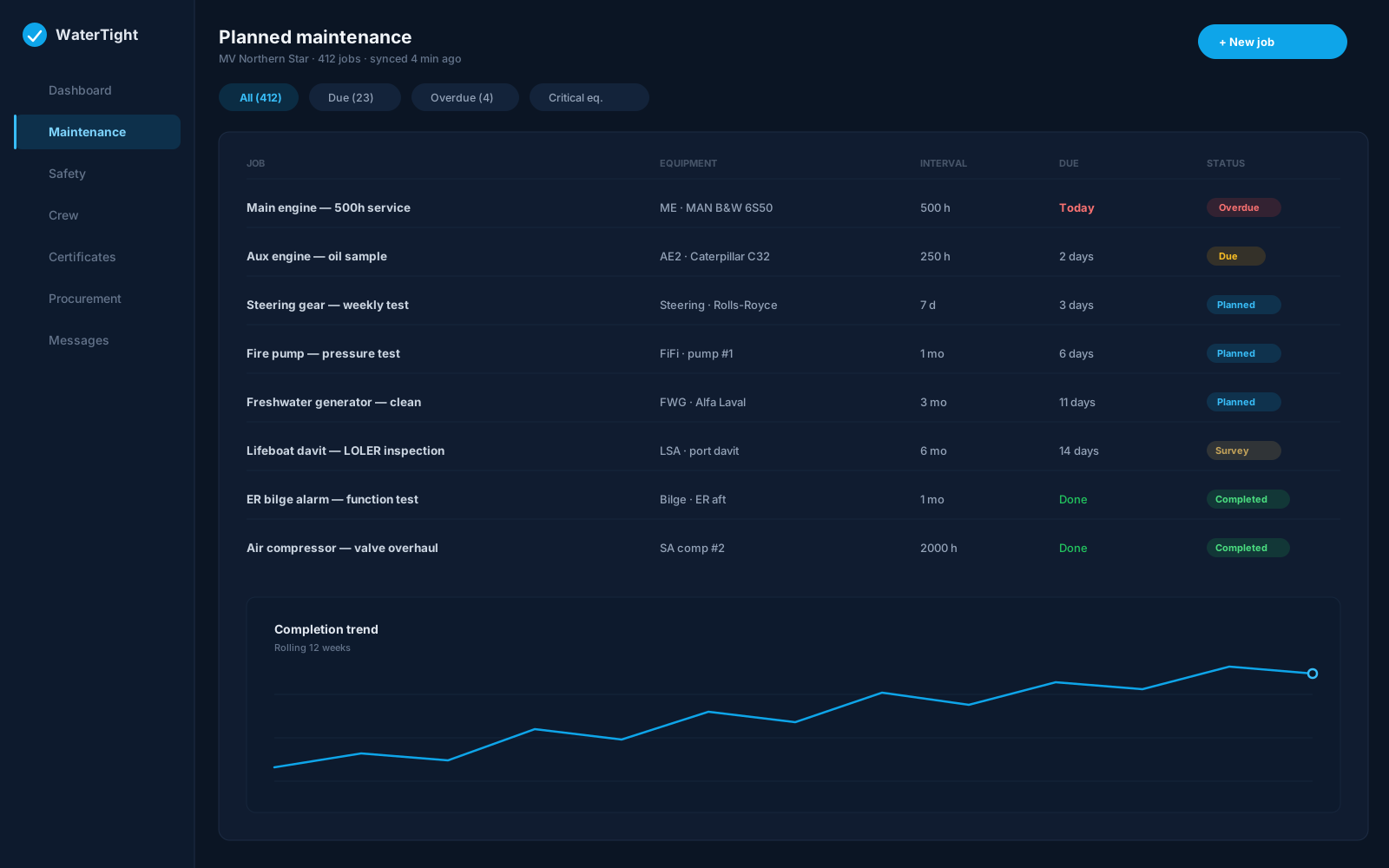
Jobs generate automatically from the intervals held against each item, so the schedule builds itself from the register instead of by hand.
Less waste
Accurate spare-part mapping per equipment item prevents over-ordering and duplicate parts across the fleet.
Lower risk
Every job, defect, and part is traceable to a specific component, giving surveyors a clean history instead of guesswork.
In the module
How Equipment Register delivers it
Inspection types and interval templates
Running-hours and calendar interval logic
Spare-parts mapping per equipment item
Equipment manuals and Ship's Library links
Fleet templates and Excel import
Capabilities
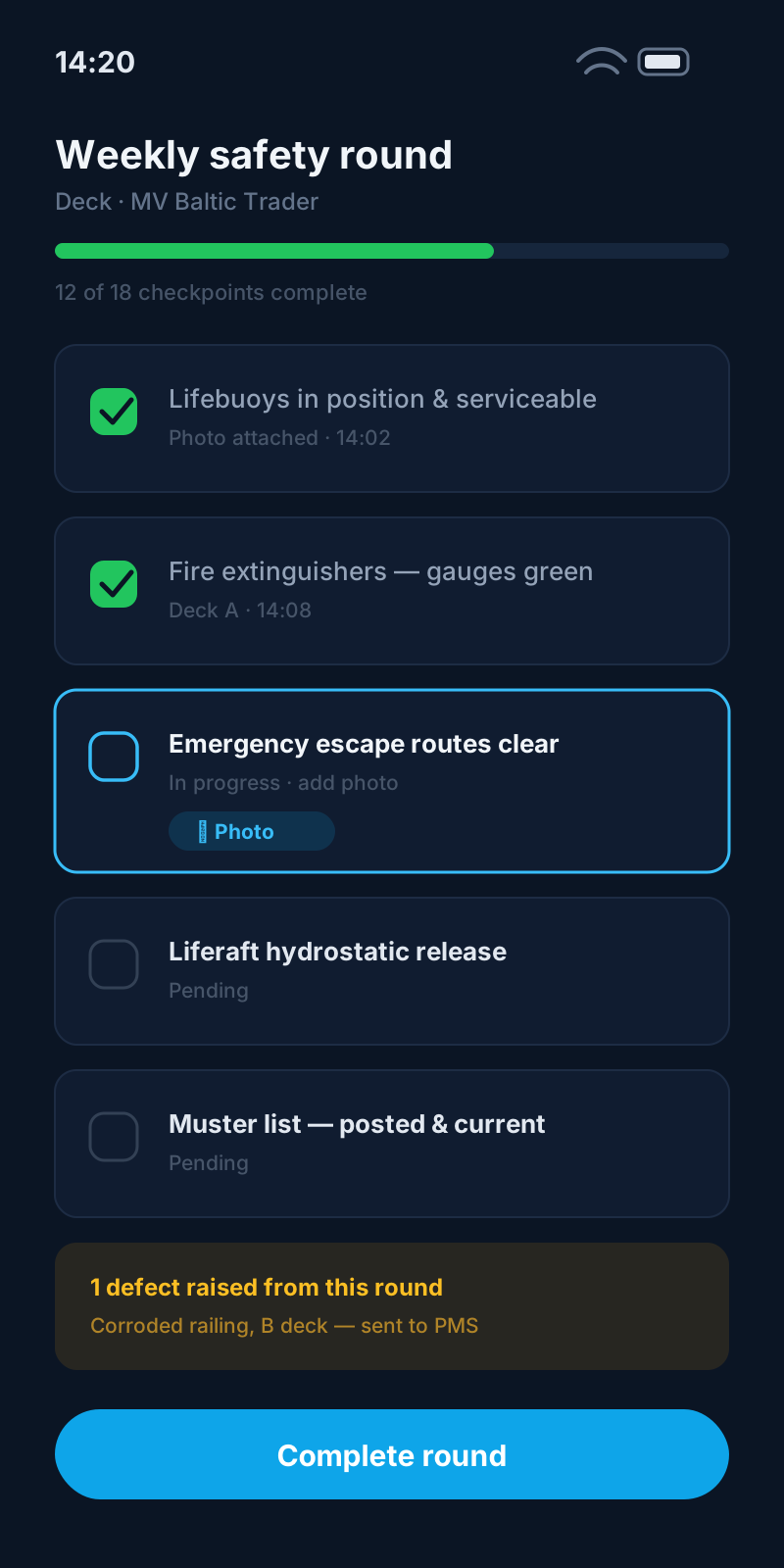
- Linked to job schedules and checklists
- Component-level tracking and history
- Defect history per item
- Change proposals for governed structure
- Fleet equipment overview
- Criticality flags for spares planning
Ship to shore
How the work moves
- Superintendent builds or imports the equipment tree
- Intervals and running hours attach to each item
- Jobs auto-schedule and appear on the linked equipment
- Structure changes proposed and applied fleet-wide
Regulatory alignment
Customers remain responsible for regulatory compliance. WaterTight is the operational system of record.
Questions before you commit
Can equipment structure differ per vessel?
Yes. Equipment is configured per vessel, with fleet templates and Excel import so sister ships can share a common structure.
Does the register link to spare parts?
Yes. Parts map to the equipment they fit, so spares, usage, and parts-to-order stay tied to the correct component.
Can I track running hours per machine?
Yes. Equipment items hold running hours that can drive job scheduling alongside calendar intervals.
Where do equipment manuals live?
Manuals attach to equipment in PMS and can also be tracked as physical copies in Ship's Library so editions stay aligned for audit.
Related solutions
Bring this pain to a demo
We’ll walk equipment register for Technical Superintendent and Chief Engineer on a sample vessel — so you can judge the fit, not sit through a feature tour.